
E-mail : pt.salemarketing@gmail.com
Tel : 089-1695805, 089-1692805
Tel : 089-1695805, 089-1692805









บริษัท พรเทพ อินเตอร์กรุ๊ป จำกัด
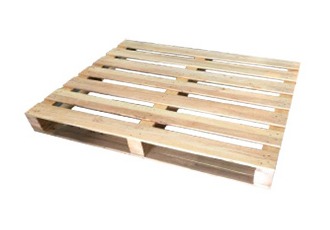
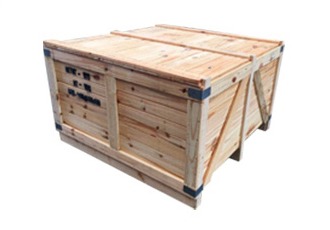
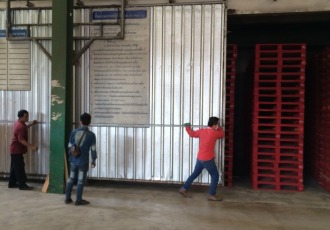
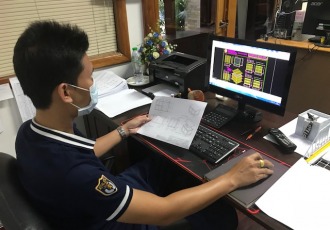
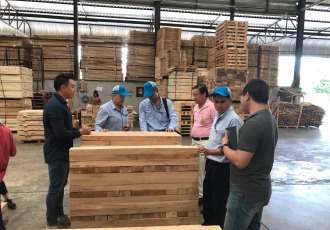
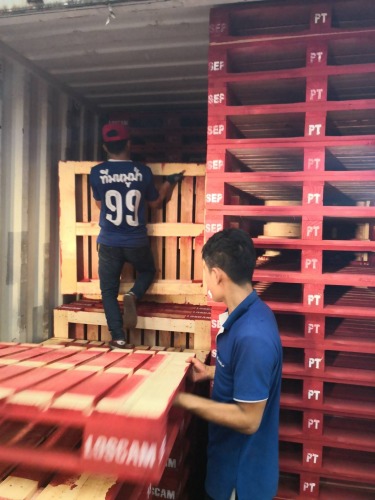
บริษัท พรเทพ อินเตอร์ กรุ๊ป จำกัด เป็นหนึ่งในผู้นำด้านการผลิตพาเลทไม้ และบรรจุภัณฑ์ไม้ ในประเทศไทย และเป็นหนึ่งในผู้นำเข้าไม้มากที่สุดของประเทศด้วยโดยนำเข้าไม้จากทั่งทุกมุมโลก และใช้ร่วมกับไม้ในประเทศเพื่อขาย และเป็นวัตถุดิบเพื่อสนับสนุนกระบวนการผลิตของเรา โกดังเก็บวัตถุดิบของเรามีขนาดความจุที่ประมาณ 64,000 ลูกบาร์ตเมตร (หรือ 1,600 คอนเทนเนอร์) และมีโรงผลิตอยู่รอบๆโกดัง 3 โรงผลิต โดยมีกำลังการผลิตพาเลทไม้และหรือบรรจุภัณฑ์ไม้ (กล่อง) อยู่ที่ 10,000 ชิ้นต่อวัน
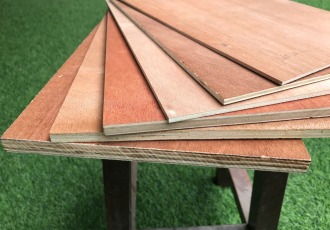
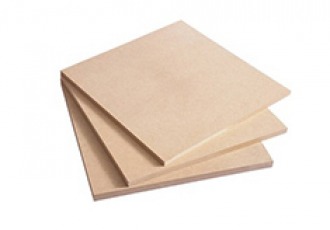
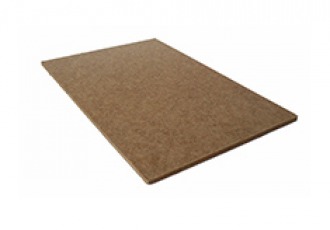
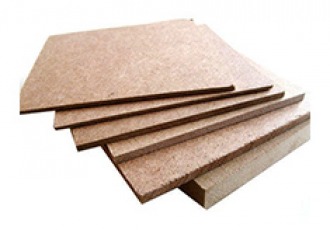
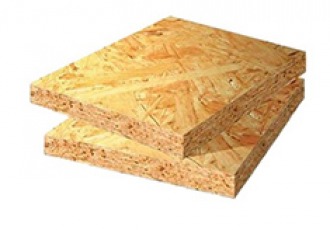
บริษัท พรเทพ อินเตอร์ กรุ๊ป จำกัด ผลิตและจำหน่ายพาเลทไม้ และบรรจุภัณฑ์ ในประเทศไทยมากว่า 20 ปี และมีการขยายอย่างต่อเนื่องมาโดยตลอด จากผู้ผลิตและจำหน่ายพาเลทไม้และบรรจุภัณฑ์ไม้ในประเทศไทย เราได้ขยายการจำหน่ายออกสู่ตลาดต่างประเทศในแถบภูมิภาคเอเชียแปซิฟิก และประเทศแถบตะวันออกกลาง นอกจากพาเลทไม้และบรรจุภัณฑ์ที่เราส่งออกไปขายต่างประเทศแล้ว ยังมีผลิตภัณฑ์ที่เกี่ยวข้องกับไม้ เช่น ไม้อัด MDF (Medium-Density Fiberboard) กระดาษอัด หรือแผ่นใยไม้อัดแข็ง (Particle Board) เกล็ดไม้อัดเรียงชิ้น (OSB) เป็นต้น ในขณะเดียวกัน เรายังเป็นหนึ่งในจำนวนผู้จัดจำหน่ายรายใหญ่สำหรับไม้แปรรูปทุกชนิด โดยเฉพาะไม้อุตสาหกรรมที่ใช้สำหรับทำพาเลทและบรรจุภัณฑ์ ในประเทศไทย
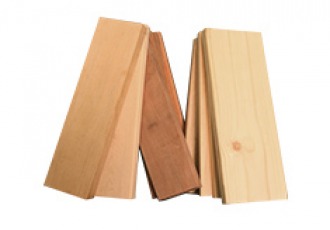


วัตถุดิบ
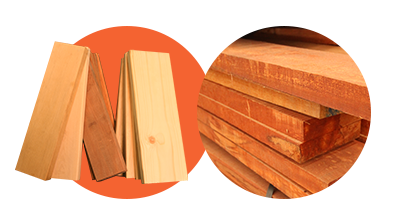
บริษัท พรเทพ อินเตอร์กรุ๊ป จำกัด มีการเก็บสต๊อกไม้ซึ่งเป็นวัตถุดิบในจำนวนมาก เพื่อเอาไว้สนับสนุนการผลิตพาเลทและบรรจุภัณฑ์ไม้แบบต่างๆ เพื่อตอบสนองความต้องการของลูกค้าของเรา และในขณะเดียวกัน วัตถุดิบไม้เหล่านี้ยังมีไว้เพื่อจำหน่ายให้กับลูกค้าที่ต้องการใช้ไม้แปรรูปแบบนี้อีกด้วย ด้วยเหตุนี้ เราจึงได้สร้างโกดังเก็บไม้ขนาดใหญ่เพื่อรองรับการเก็บบรรจุไม้ในโกดังในปริมาณสูงถึง 64,000 ลูกบาร์ตเมตร (หรือ 1,600 คอนเทนเนอร์) ไม้ที่แปรรูปแล้วในขนาดต่างๆ จากไม้หลากหลายชนิด ทั้งไม้เนื้ออ่อนและไม้เนื้อแข็ง เรามีไว้ให้บริการตามความต้องการของลูกค้าอย่างทั่วถึง
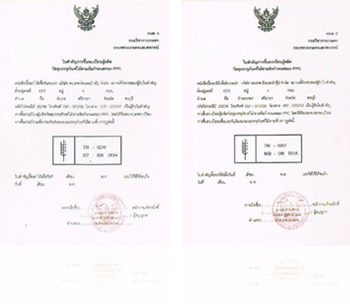
ใบรับรองของเรา
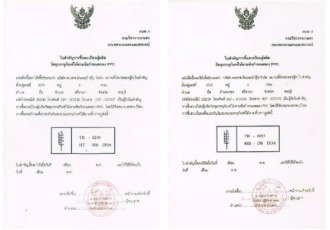
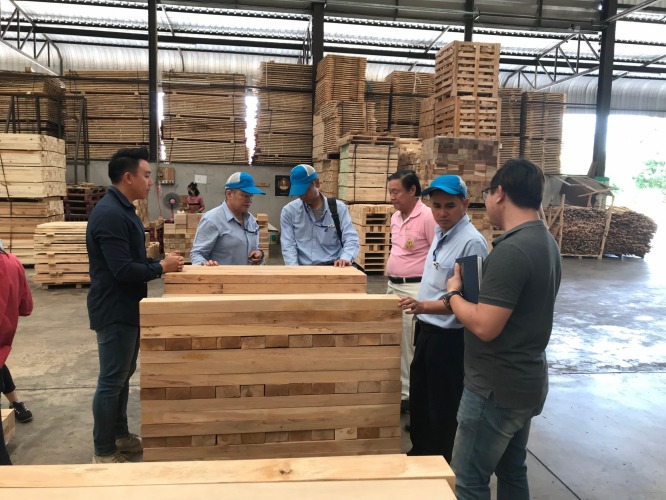
บริษัทฯ ได้รับการรับรองวัสดุบรรจุภัณฑ์ไม้ ตามข้อกำหนดของ IPPC (International Protection Convention) โดยกรมวิชาการเกษตร กระทรวงเกษตรและสหกรณ์ ทั้งประเภทการรมควัน (Methyl Bromide) และ การอบด้วยความร้อน (Heat treatment) บริษัทฯ ยังได้รับการรับรองให้ส่งออกผลิตภัณฑ์ไม้ไปยังประเทศออสเตรเลียตามมาตรฐาน AQIS
ติดต่อเรา
บริษัท พรเทพ อินเตอร์กรุ๊ป จำกัด
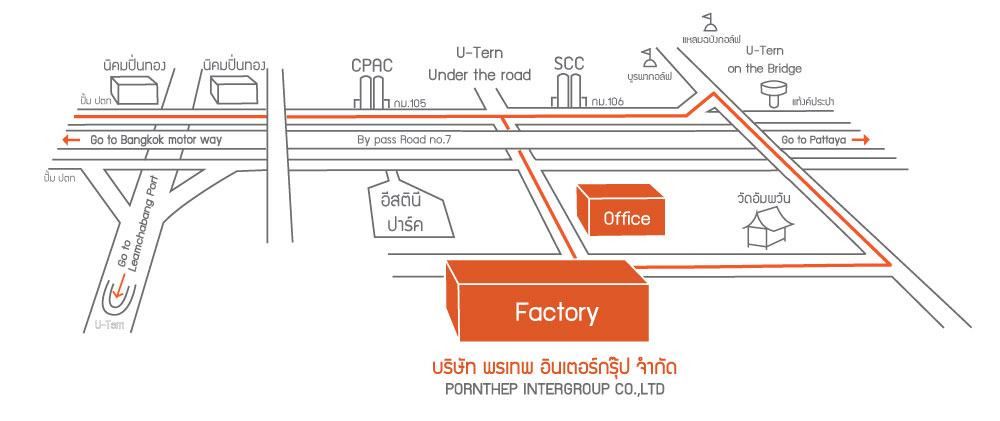
ที่อยู่ : 67/2 ม.4 ต.บึง อ.ศรีราชา จ.ชลบุรี 20230
โทร : -ฝ่ายการตลาด 081-2091883
-ฝ่ายขาย 089-1695805, 089-1692805
-ฝ่ายบุคคล 083-7116765
-ฝ่ายจัดซื้อ 061-2140330
-ฝ่ายต่างประเทศ, Shipping 080-0925559
-ฝ่ายการเงิน 089-7495149
อีเมล์ : pt.salemarketing@gmail.com
พิกัด : 13.063866, 100.992314
โทร : -ฝ่ายการตลาด 081-2091883
-ฝ่ายขาย 089-1695805, 089-1692805
-ฝ่ายบุคคล 083-7116765
-ฝ่ายจัดซื้อ 061-2140330
-ฝ่ายต่างประเทศ, Shipping 080-0925559
-ฝ่ายการเงิน 089-7495149
อีเมล์ : pt.salemarketing@gmail.com
พิกัด : 13.063866, 100.992314
Call center
089-1695805
089-1692805
089-1692805
Copyright © Pornthep Intergroup Co., Ltd. All rights reserved

Designed By Simlysis
รับออกแบบเว็บไซต์
